


In the realm of home improvement and industrial applications, magnetic seal strips have emerged as a practical and efficient solution for various sealing needs. These innovative strips offer a unique combination of functionality and convenience, making them a popular choice across different sectors.
Definition and Basic Concept
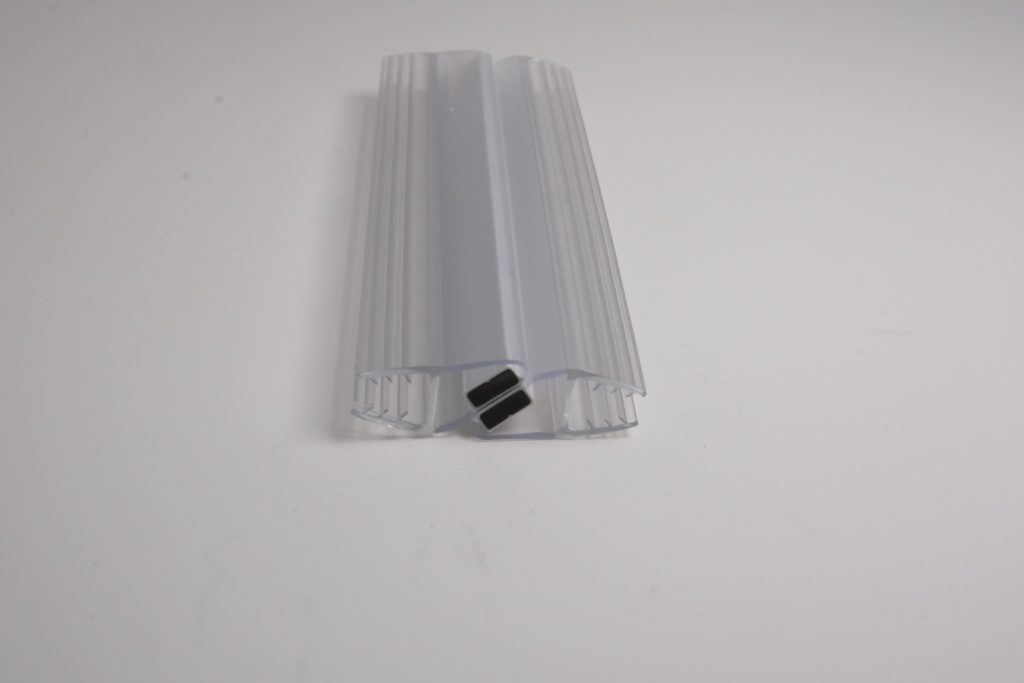
A magnetic seal strip is essentially a flexible strip that incorporates magnetic elements. It is designed to adhere to metal surfaces through magnetic attraction, creating a tight seal. Typically, one side of the strip contains a series of magnets or a continuous magnetic material, while the other side may have additional features such as a protective coating or an adhesive layer for enhanced functionality. The strip’s flexibility allows it to conform to different shapes and surfaces, enabling it to be used in a wide range of applications where a reliable seal is required.
How It Works
The working principle of a magnetic seal strip is straightforward yet highly effective. When brought close to a ferromagnetic surface, such as steel or iron, the magnetic force generated by the strip pulls it firmly against the surface. This magnetic bond creates a barrier that effectively blocks the passage of air, water, dust, and other substances. The strength of the magnetic attraction can vary depending on the quality and design of the strip. Higher – grade magnetic seal strips with stronger magnets can provide a more secure seal, capable of withstanding greater pressure differentials and environmental factors. The ease of attachment and detachment, thanks to the magnetic force, also makes it convenient for installation, adjustment, and removal when necessary.
Materials and Construction
Magnetic seal strips are typically constructed using a combination of materials. The magnetic component is often made from materials like neodymium, ferrite, or rubber – bonded magnets. Neodymium magnets are known for their high magnetic strength and compact size, making them ideal for applications where a strong and reliable seal is needed in a limited space. Ferrite magnets, on the other hand, are more cost – effective and commonly used in less demanding applications. The strip itself is usually made from a flexible material such as rubber, silicone, or PVC. These materials offer durability, resistance to environmental elements, and flexibility to conform to various surfaces. Some magnetic seal strips may also have additional layers or coatings, such as a weather – resistant layer to protect against UV rays, moisture, and chemicals, ensuring a longer lifespan and consistent performance.
Advantages
One of the primary advantages of magnetic seal strips is their ease of installation. Unlike traditional seal strips that may require complex tools, adhesives, or mechanical fasteners, magnetic seal strips can be quickly and effortlessly applied. Simply place the strip near the metal surface, and the magnetic force will secure it in place. This not only saves time during installation but also reduces the risk of errors and damage to the surfaces. Additionally, magnetic seal strips provide excellent sealing performance. They can effectively prevent drafts, water leakage, and the ingress of dust and debris, making them suitable for applications in doors, windows, cabinets, and even industrial equipment. Their reusability is another significant benefit. Since they are attached magnetically, they can be easily removed and reinstalled multiple times without leaving residue or causing damage to the surfaces, which is especially useful for maintenance or when making changes to the sealed area.
Applications
The versatility of magnetic seal strips has led to their widespread use in numerous applications. In residential settings, they are commonly used for sealing doors and windows. By preventing air leaks, they help improve energy efficiency, reducing heating and cooling costs. They can also be used on kitchen cabinets and bathroom vanities to keep out dust and moisture, protecting the contents inside. In industrial environments, magnetic seal strips are employed in equipment enclosures, storage containers, and refrigeration units to maintain a tight seal and ensure the proper functioning of the machinery or the preservation of stored goods. In the automotive industry, they are used for sealing doors, trunk lids, and hoods, enhancing the vehicle’s aerodynamics, reducing noise, and preventing water and debris from entering the cabin.
In conclusion, magnetic seal strips are a remarkable innovation that offers a practical, efficient, and versatile solution for sealing needs. Their unique combination of magnetic attachment, ease of use, excellent sealing performance, and wide range of applications makes them an invaluable tool in both home improvement and industrial settings. Whether it’s for enhancing energy efficiency, protecting valuable items, or ensuring the proper operation of equipment, magnetic seal strips have proven to be a reliable and effective choice.


